Home >> News Events >> Events >> Training >> Namaqua Education District (Phase 2): Fifth Visit to the Project, May 2017

Namaqua Education District (Phase 2): Fifth Visit to the Project, May 2017

Monday, May 8, 2017 - 08:00 to Friday, May 12, 2017 - 18:00

A Training and Support Visit 

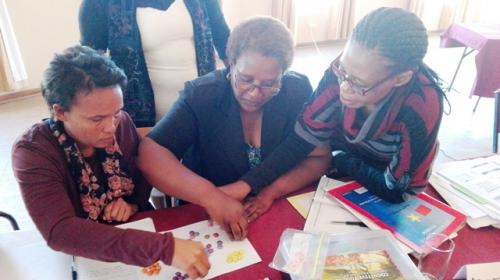
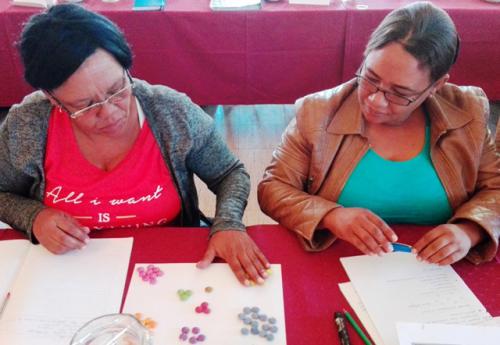
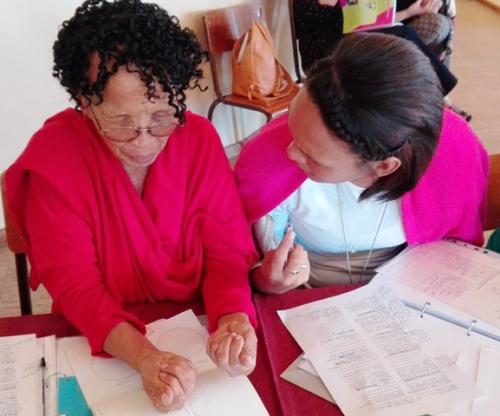
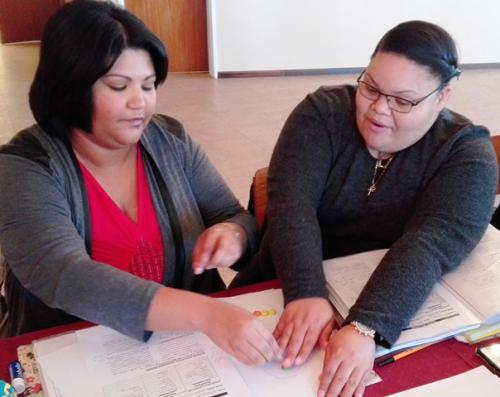
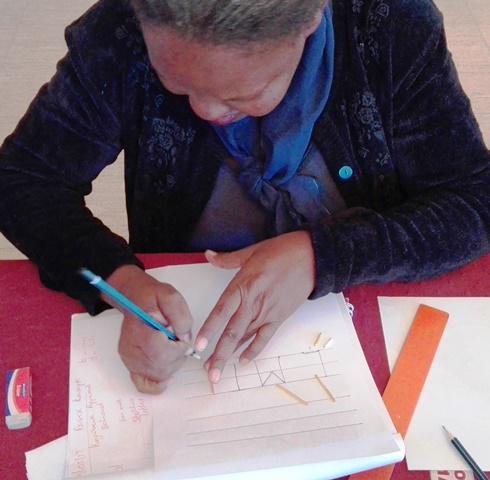
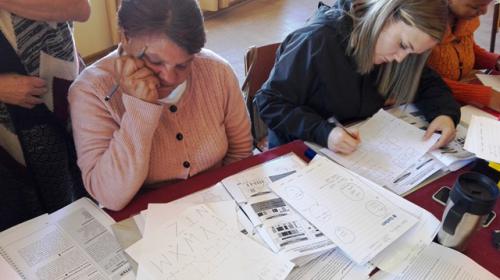
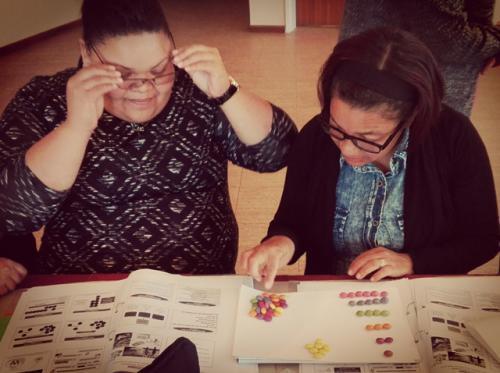
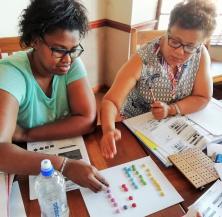
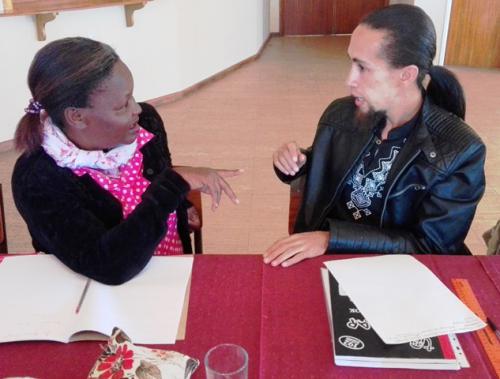
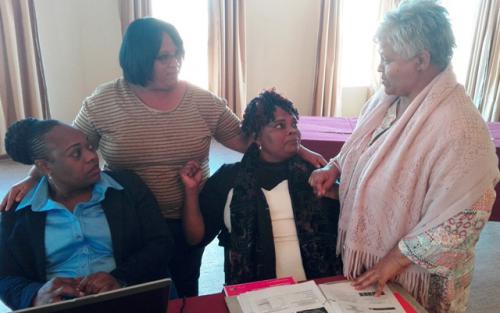
During this visit we will complete the training process that was started last year in February 2016. The training will focus on the conceptual domains of number and letter. The teachers and departmental officials would then have attended 6 training sessions over 6 days (48hrs of training).

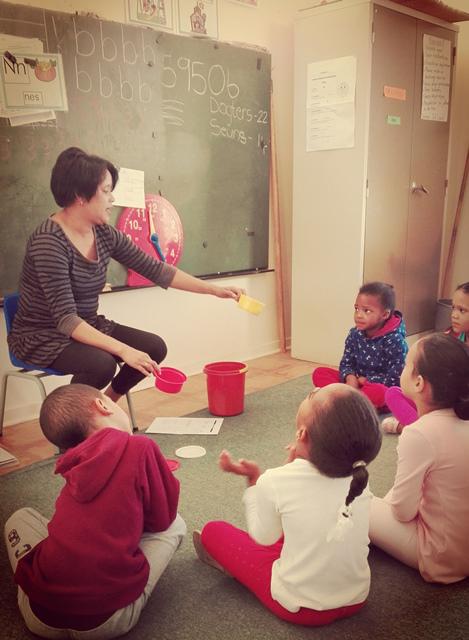
The training will be followed up by class visits to the teachers to mentor and assist with the transfer of learning into the classrooms. It is likely that most teachers will be visited during these visits.

In addition, during the visit we will continue with the programme to train provincial officials from the Northern Cape Department of Education to support and mentor teacher-mediators of the BCP. 

The provincial officials will be required, by the end of the year, to show competency in both the theory and practice of the programme.


It made me look at my teaching in a different way. I am excited to implement what I have learnt.

Metro Central Education District, March 2014

It helps learners to think and forms (the) foundation for reading, writing and mathematics.

Metro South Education District: Training (January, 2013)

It is a method of teaching…to establish the basic foundations or building blocks in order for children to make sense of the environment around them.  

Die Bron Primary School: Visit 1

The BCP focuses on the learner… where the teacher acts as a mediator, prompts to access logical thinking and develops language.

Metro Central: Training, October 2014

Developed new method/techniques on how to use myself better in sessions and get better potential from children.’ (KIDZPOSITIVE, Occupational Therapist, 2011)

Teacher Feedback

Before the course, I never focused on the main concepts as I never really thought them essential to "real life" as a speech-language pathologist. I now have a very different perspective on why these aspects are important and how they move cognition forward.

ZOOM TRAINING 2 FEEDBACK